


What are the long-term effects of eating too much plain white rice?
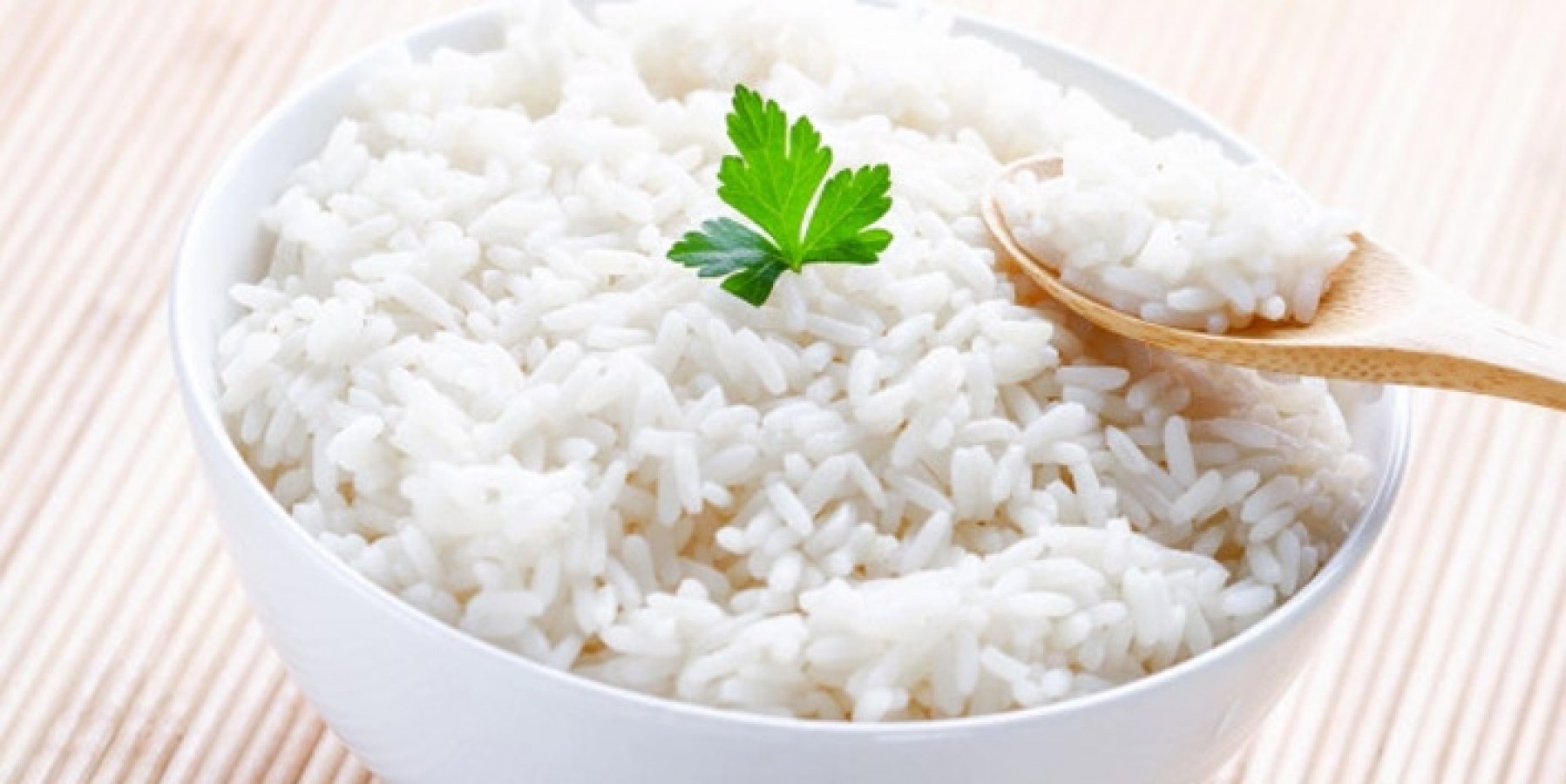
White rice is a staple food in many cultures and is consumed around the world. It is a versatile and affordable food that can be prepared in many different ways. While white rice can be a part of a healthy diet in moderation, eating too much of it can have long-term effects on your health. In this article, we will discuss the potential long-term effects of consuming too much plain white rice.
- Increased risk of type 2 diabetes White rice is a high glycemic index food, meaning that it can cause a rapid increase in blood sugar levels. Consistently eating high glycemic index foods like white rice can lead to insulin resistance, a condition where the body becomes less responsive to the hormone insulin, which can ultimately increase the risk of type 2 diabetes.
- Weight gain Plain white rice is a refined carbohydrate, meaning that it has been stripped of many of its nutrients and fiber. This can make it less filling than whole grain options like brown rice, and consuming too much of it can lead to weight gain over time.
- Increased risk of heart disease Consuming large amounts of white rice can lead to an increase in blood pressure and LDL (bad) cholesterol levels, which are both risk factors for heart disease. High levels of refined carbohydrates like white rice can also increase inflammation in the body, which is linked to a variety of chronic diseases.
- Nutrient deficiencies White rice is low in many important nutrients like fiber, vitamins, and minerals. Eating too much white rice can lead to nutrient deficiencies over time, which can contribute to a variety of health issues.
- Digestive problems Eating too much white rice can lead to digestive problems like constipation and bloating. This is because white rice is low in fiber, which helps to promote healthy digestion and regular bowel movements.
In conclusion, while white rice can be a part of a healthy diet in moderation, consuming too much of it can have negative long-term effects on your health. It's important to balance your rice intake with other nutrient-dense foods like fruits, vegetables, whole grains, and lean protein sources. If you consume a lot of white rice, consider switching to brown rice or other whole grain options to increase your nutrient intake and promote healthy digestion. Additionally, if you have concerns about your rice consumption or overall diet, consult a healthcare professional or a registered dietitian.




0 Comments
Please don't send spam links
And don't use abuse language